

New Michigan CWD Case Confirmed in Roscommon County
If Michigan's deer herd had a public relations department, November would be a terrible month to work there.
Between hunting season, car accidents, and now another disease headline, the deer could really use a better agent.
RELATED: Michigan Confirms CWD Case in Hillsdale County
The Michigan Department of Agriculture and Rural Development (MDARD) has confirmed chronic wasting disease in a farmed cervid in Roscommon County, marking the county’s first CWD detection in a privately owned cervid herd.
What Michigan Hunters Should Know About This CWD Case
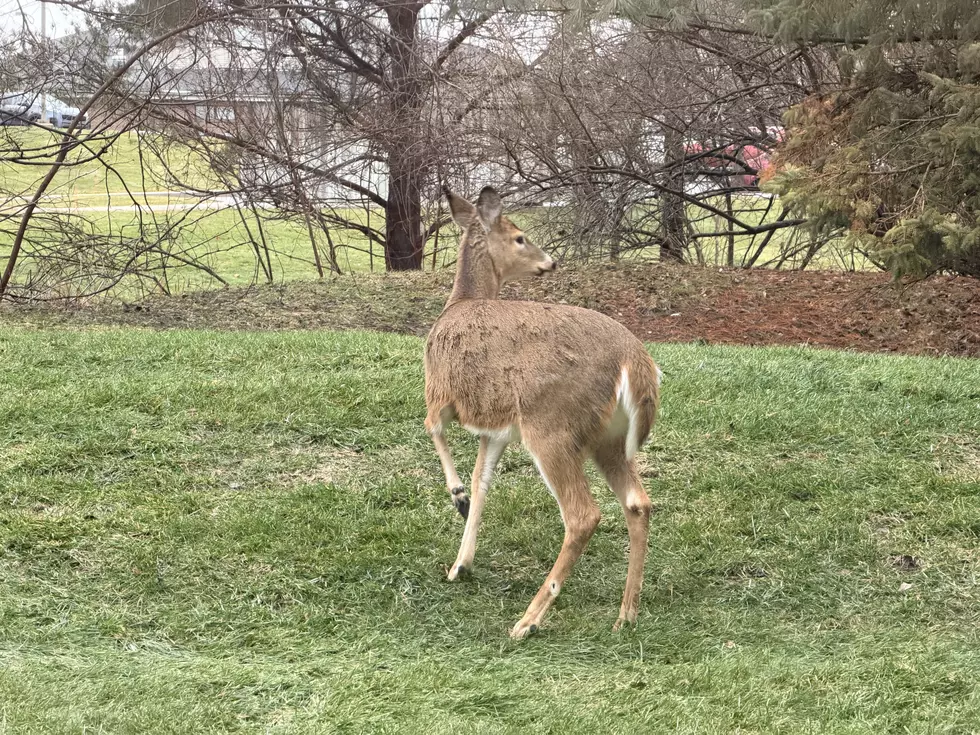
Before everybody starts staring suspiciously at the deer in their backyard, there's an important distinction.
This case involves a farmed animal, not a wild deer. The discovery doesn't mean CWD has been confirmed in Roscommon County's wild deer population.
CWD affects deer, elk, and moose. It's always fatal, spreads between animals, and can linger in the environment. Here's the especially frustrating part: infected animals can look perfectly healthy for months or even years.
What's Next for Michigan's Deer?

MDARD is investigating whether other farmed animals were exposed. Michigan has previously confirmed CWD in captive herds in several counties, including Hillsdale, Calhoun, and Kent.
For hunters, the Michigan Department of Natural Resources (DNR) says that because Roscommon County is also part of Michigan’s 2026 bovine TB surveillance area, they should not remove lymph nodes themselves. Submit the deer head to a DNR wildlife field office and request CWD testing along with bovine TB testing.
RELATED: CWD Confirmed in Farmed Deer in Three Michigan Counties
There have been no reported human CWD infections, but the Centers for Disease Control and Prevention (CDC) recommends having deer tested in areas where CWD is found and not eating meat from an animal that tests positive.
Michigan's 2025 Car - Deer Accidents: Crashes Per County
Gallery Credit: Scott Clow